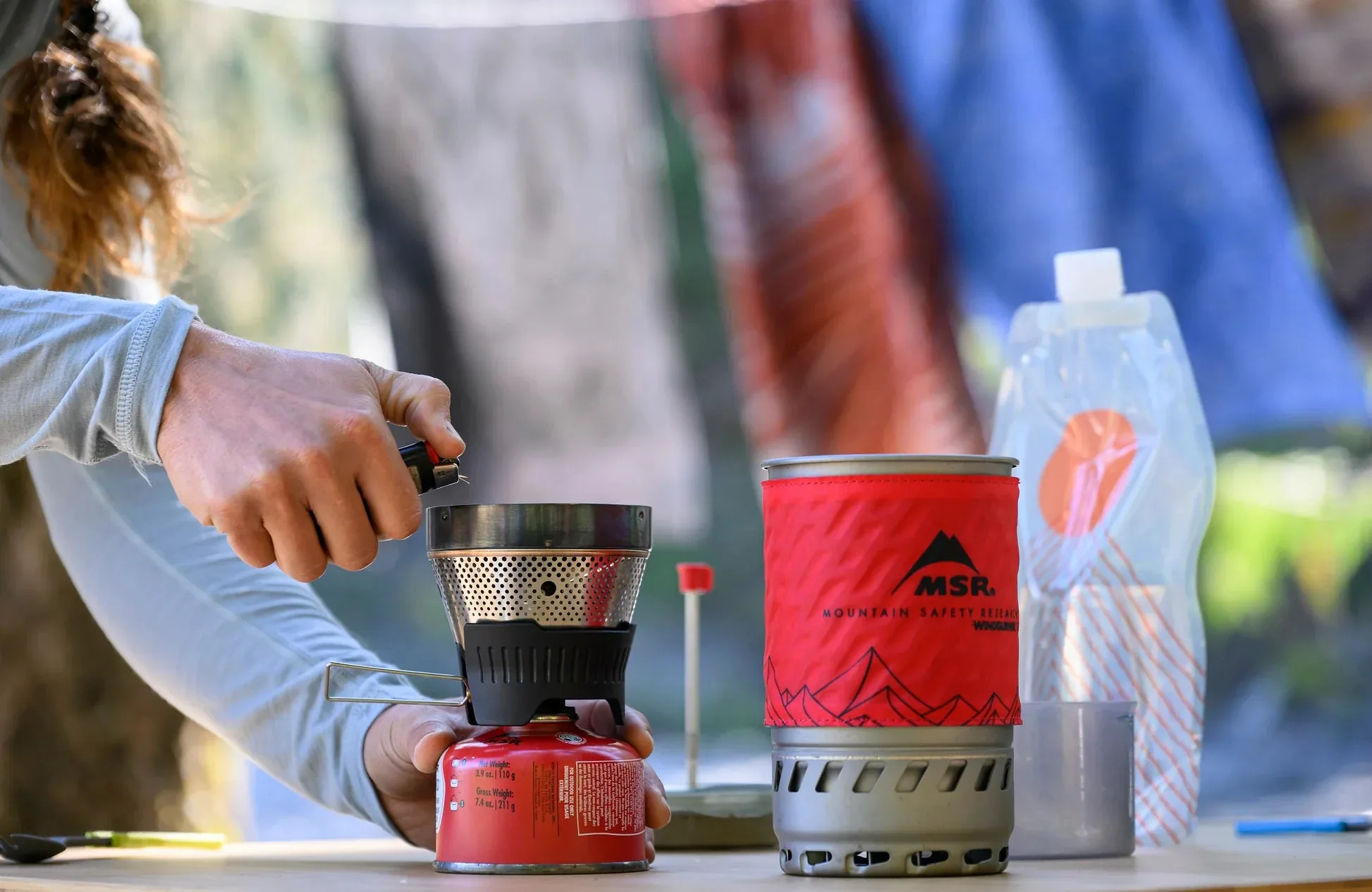
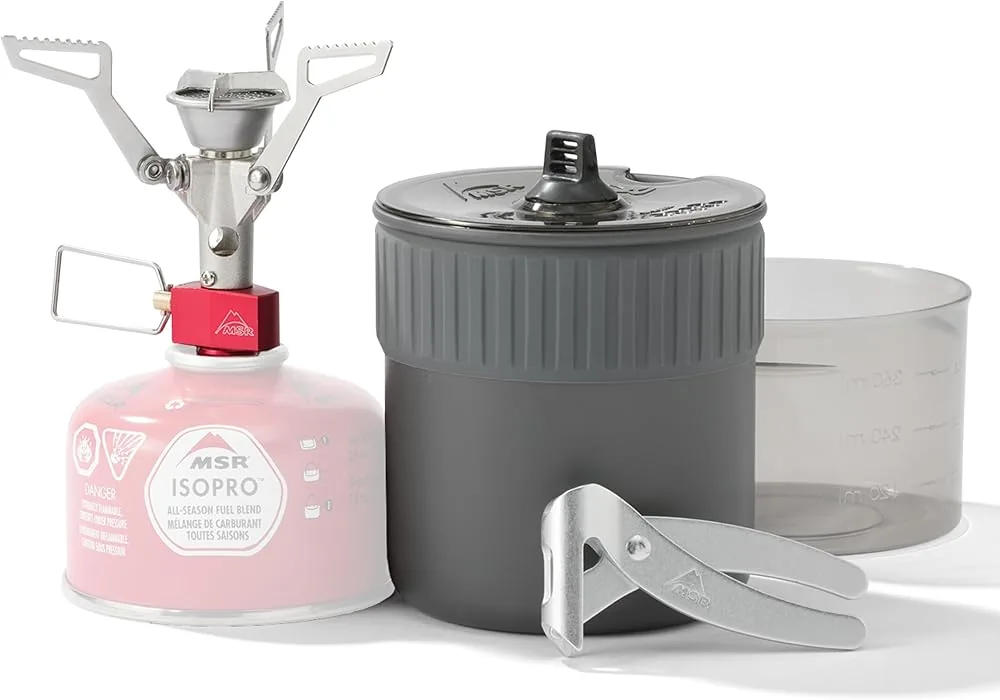
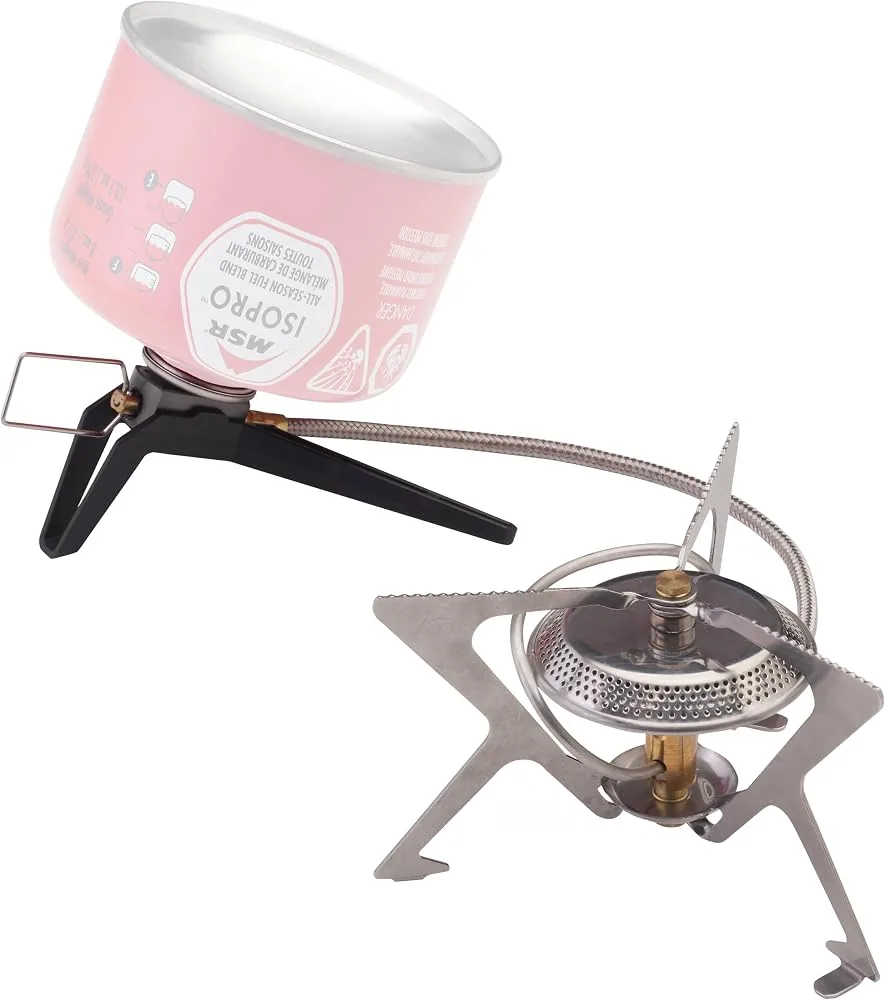
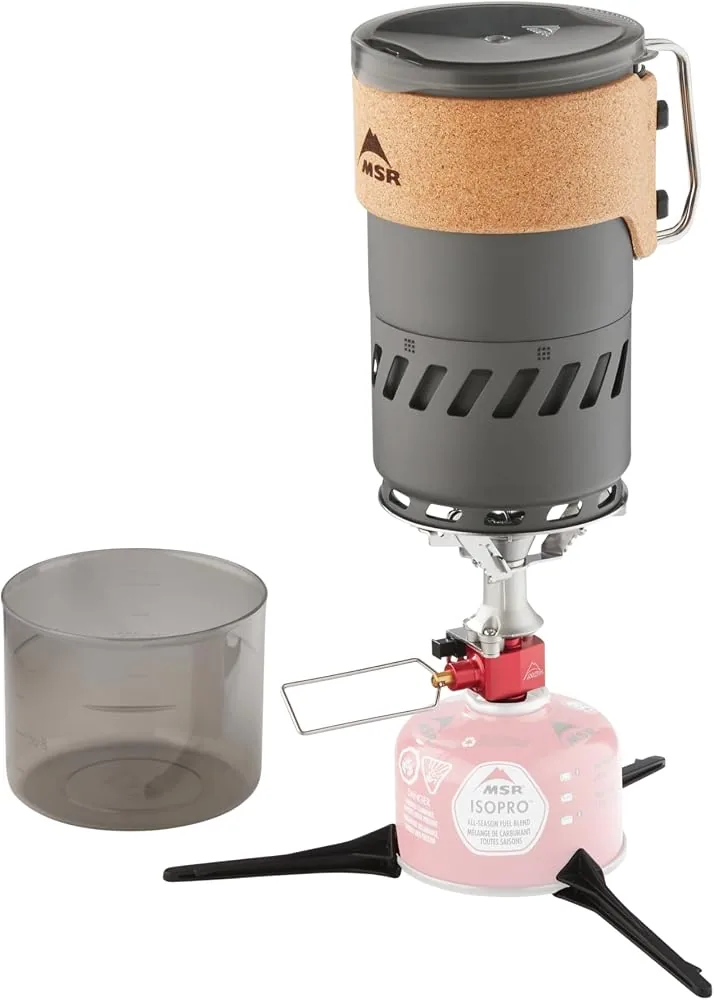
MSR Stove — Canister Stoves
MSR Stove Canister Stoves: Engineered for Mountaineers Who Push the Limits
Since 1969, MSR has served a specific breed of outdoor enthusiast — the alpinist who climbs through screaming wind at 14,000 feet, the thru-hiker logging 25-mile days on the Pacific Crest Trail, and the expedition leader responsible for keeping a team fueled in conditions where failure is not an option. These adventurers demand gear that performs flawlessly when temperatures plummet and weather turns hostile. MSR canister stoves exist precisely for these moments, delivering reliable heat when it matters most.
The brand emerged from the mountains of the Pacific Northwest, where founder Larry Penberthy recognized that existing outdoor equipment simply could not meet the demands of serious alpine climbing. What began in a Seattle garage has evolved into an engineering-driven company that approaches every product as a problem to be solved through science and rigorous field testing. The target audience remains unchanged after five decades — backpackers counting every ounce, mountaineers melting snow for survival hydration, and guides who stake their professional reputation on equipment that never fails.
Every canister stove in the MSR lineup reflects this mission-critical mindset. The designs prioritize function over flash, durability over disposability, and proven performance over marketing gimmicks. Whether preparing a quick trail lunch or boiling water for a basecamp meal during a multi-day expedition, MSR stoves deliver the consistent flame and fuel efficiency that serious outdoor athletes require.
The Complete PocketRocket Family: From Gram-Counting to Gourmet Cooking
The PocketRocket series represents MSR's ultralight canister stove philosophy distilled to its purest form. At the entry point sits the PocketRocket 2, a stove so compact and lightweight that hikers often forget it occupies space in their pack until mealtime arrives. Weighing just 2.6 ounces, this model has become the default choice for minimalist backpackers who refuse to compromise on performance despite demanding the smallest possible kit.
For those seeking additional refinement, the PocketRocket Deluxe builds upon this foundation with pressure regulation and a broader burner head. This version maintains impressively low weight while adding consistent performance across varying canister pressures and ambient temperatures. The result is a stove that boils water predictably whether the fuel canister is fresh or nearly spent, a crucial consideration during extended backcountry trips.
Both standard and Deluxe versions ship in camping and backpacking configurations, allowing users to select the optimal pot support geometry and accessory package for their intended use. Trail runners pushing fast-and-light appreciate the stripped-down backpacking editions, while weekend car campers benefit from the enhanced stability of camping-oriented setups. This thoughtful product segmentation ensures every user finds the precise tool for their outdoor cooking needs.
Radiant Burner Technology and 100% Primary Air Combustion
What separates MSR stoves from the crowded field of canister burners is the underlying combustion science. The Radiant Burner Technology achieves what many competitors cannot — complete primary air combustion that extracts maximum energy from every gram of fuel. This engineering approach means the flame burns hotter and cleaner, translating directly to faster boil times and reduced fuel consumption over the course of an expedition.
The primary air combustion system draws all necessary oxygen through a precisely engineered pathway before the fuel-air mixture reaches the burner head. Unlike secondary combustion designs that pull supplemental air from above the flame, this method creates a more stable and wind-resistant fire. Mountain guides operating above treeline, where gusts can extinguish lesser stoves in seconds, consistently report that MSR burners maintain flame integrity in conditions that render other units useless.
This technical approach also produces a distinctive blue flame with minimal yellow tips, indicating near-complete fuel combustion. The visual difference translates to practical benefits — less soot deposits on cookware, reduced carbon monoxide output in vestibule cooking scenarios, and superior fuel economy that can mean the difference between rationing meals and eating well on extended wilderness trips. The science is not merely theoretical; it manifests in every pot of boiling water.
MSR Stove Canister Stoves: Core Features That Define Performance
- Ultralight Construction Weights starting at just 2.6 ounces allow gram-conscious hikers to carry a full cooking system without pack weight penalties. Titanium and aluminum alloys provide strength while minimizing mass.
- WindClip Windshield Compatibility Integrated attachment points accept optional windscreens that dramatically improve efficiency in exposed conditions without adding bulk during transit.
- Precision Flame Adjustment Valve controls allow micro-adjustments from full rolling boil to gentle simmer, enabling everything from rapid water heating to delicate sauce reduction at altitude.
- Universal Canister Threading Standard Lindal valve compatibility ensures the stoves work with fuel canisters from multiple manufacturers worldwide, eliminating supply concerns during international expeditions.
- Compact Nesting Design Folding pot supports and low-profile burner assemblies pack inside standard cookware, maximizing pack space efficiency for weight-obsessed adventurers.
- Pressure Regulation (Deluxe Models) Advanced pressure-regulated fuel delivery maintains consistent BTU output regardless of canister fill level or ambient temperature variations common in alpine environments.
Trail-Proven Favorites: The PocketRocket 2 and Deluxe Models
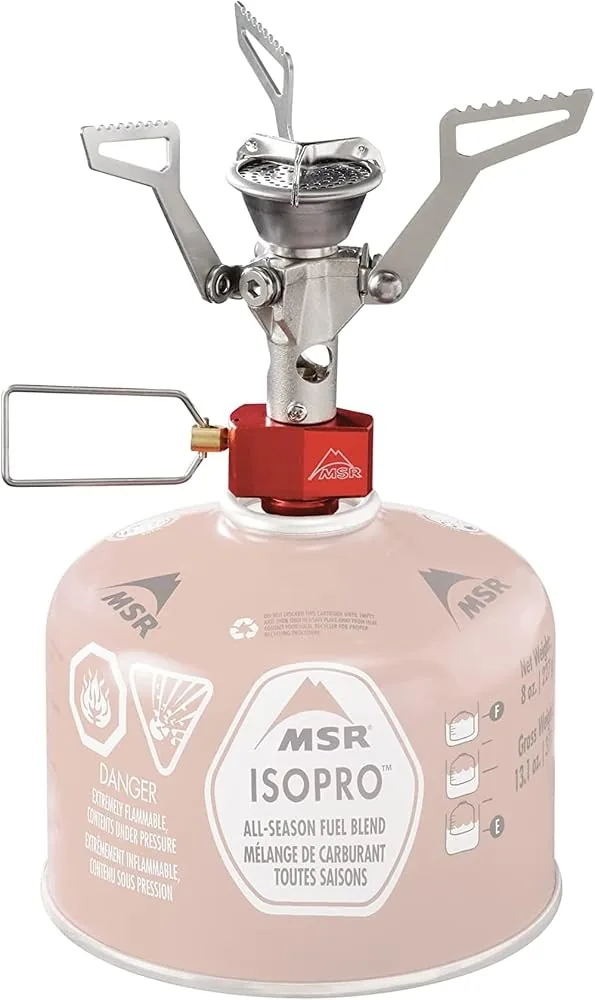
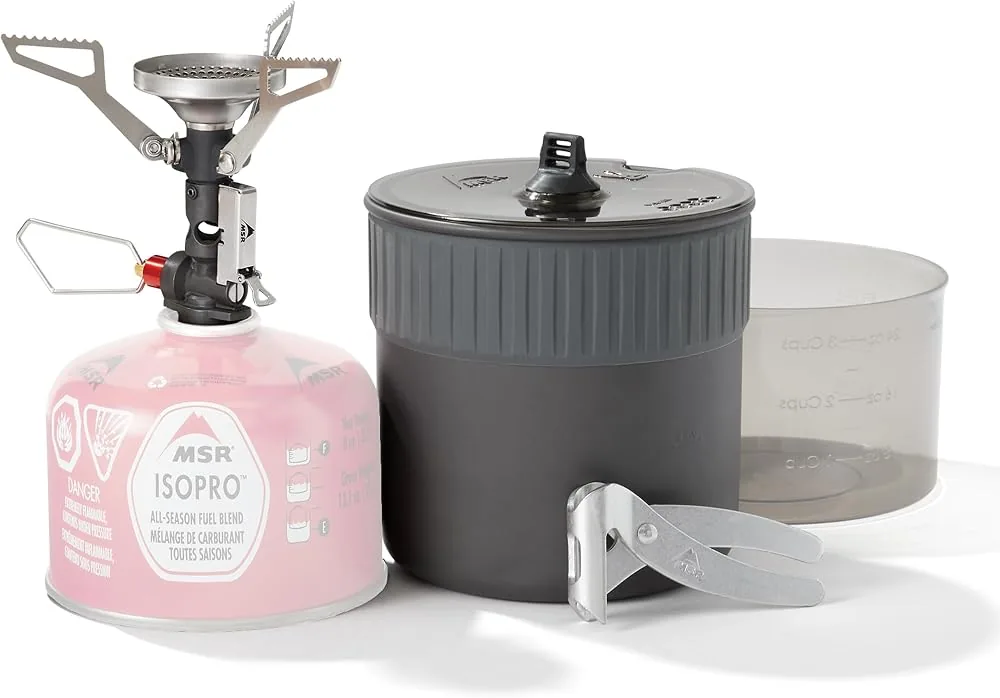
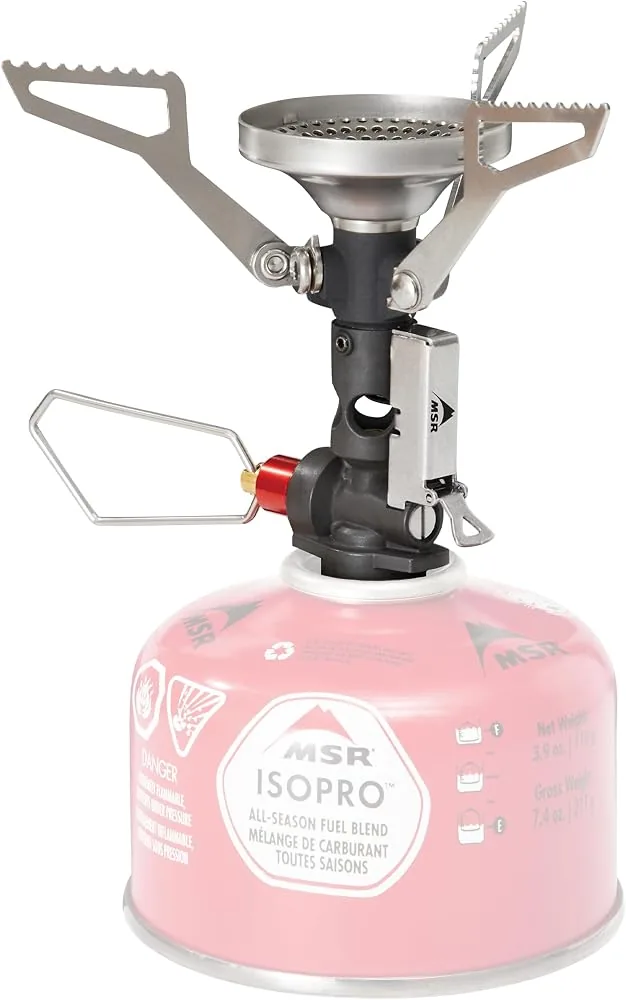
The MSR PocketRocket 2 Ultralight Backpacking Stove has earned its reputation through millions of trail miles logged by satisfied users. At 2.6 ounces, this stove disappears into the smallest pack pocket yet delivers 8,200 BTU of cooking power — enough to boil a liter of water in approximately 3.5 minutes under typical conditions. The three-arm pot support provides surprising stability given the minimal footprint, accommodating cookware up to 2 liters without wobbling.
The MSR PocketRocket Deluxe takes the proven platform further with pressure regulation that solves a fundamental canister stove limitation. As fuel depletes and internal pressure drops, unregulated stoves gradually lose output. The Deluxe maintains consistent flame from first use to final meal, a feature that experienced thru-hikers prize when every minute of fuel burn counts. The broader burner head also distributes heat more evenly across pot bottoms, reducing hot spots that can scorch dehydrated meals.
Both models share the same fundamental reliability that has made the PocketRocket name synonymous with ultralight backpacking. Field reports consistently highlight cold-start performance, with the stoves igniting reliably even after nights of sub-freezing temperatures. This dependability explains why the PocketRocket family remains the stove of choice for serious outdoor athletes despite decades of competition from newer market entrants.
Aerospace-Grade Alloys and Precision Manufacturing
The materials selected for MSR canister stoves reflect the same aerospace-influenced thinking that permeates all company products. Burner assemblies utilize stainless steel alloys chosen for corrosion resistance and thermal stability, ensuring the flame ports maintain precise geometry through years of repeated heating and cooling cycles. This material selection prevents the warping and clogging that plague lesser stoves after extended use.
Pot supports employ hardened steel wire formed to exact specifications, providing the rigidity necessary to safely hold boiling cookware while remaining light enough to satisfy ultralight enthusiasts. The wire diameter and bend angles result from extensive prototyping that balanced strength against weight, arriving at a design that refuses to flex under load yet adds minimal grams to the total package.
Valve assemblies incorporate machined brass components that deliver smooth, predictable flame adjustment through thousands of operation cycles. The threading tolerances match those found in precision instrumentation, eliminating the sticky or imprecise controls common on budget alternatives. Every rotation of the valve knob produces proportional flame response, giving users fine control whether simmering oatmeal or blasting heat into a snow-melting pot. These material and manufacturing decisions compound to create stoves that perform identically on day one and day one thousand.
Summit-to-Trailhead Reliability: Real Performance When Stakes Rise
Performance claims mean nothing without field validation, and MSR stoves have accumulated decades of real-world proof across every mountain range and trail system on Earth. Expedition reports from Denali to Patagonia consistently note the stoves' ability to function in conditions that sideline competitors — temperatures well below freezing, winds exceeding 25 miles per hour, and altitudes where reduced oxygen challenges combustion efficiency. The stoves simply work when alternatives sputter and die.
Durability extends beyond extreme environments to everyday trail abuse. Backpackers report multiple seasons of use without performance degradation, a testament to the robust construction that withstands the inevitable drops, scrapes, and compression that gear endures in backcountry travel. The pot supports retain their tension, valves maintain their smooth action, and burner ports stay clear meal after meal.
Fuel efficiency proves equally impressive under controlled testing and chaotic field conditions. Independent measurements confirm boil times and fuel consumption figures that match or exceed published specifications, a rarity in an industry where marketing often outpaces reality. Users consistently report completing multi-day trips with less fuel than anticipated, a pleasant surprise that either lightens loads or extends trip duration. The performance is not aspirational — it is documented and repeatable across user populations ranging from weekend warriors to professional mountain guides.
Getting Maximum Performance from MSR Stove Canister Stoves
- Wind Protection Deploy the optional WindClip windscreen or position natural windbreaks to maintain flame efficiency. Even moderate breezes can double fuel consumption without adequate shielding.
- Canister Warming In cold conditions, sleep with the fuel canister inside your sleeping bag or warm it in a pocket before use. Cold canisters deliver reduced pressure that hampers performance.
- Lid Usage Always cover pots during heating to trap thermal energy. This simple practice reduces boil times by 20-30% and extends fuel supply proportionally.
- Stable Platform Level the cooking surface before ignition. A tilted pot shifts center of gravity and risks spillage, wasting both fuel and food.
- Flame Adjustment Start with full flame for initial heating, then reduce to minimum effective level once boiling begins. Aggressive flames waste fuel through convective losses around pot edges.
- Canister Storage Disconnect the stove from canisters between uses and store both in dry conditions. Residual moisture can corrode threading and compromise seal integrity over time.
Safe Operation at Altitude and in Confined Spaces
Canister stove safety requires understanding both the equipment and the environment. At elevation, reduced atmospheric pressure allows fuel to vaporize more aggressively, potentially creating larger-than-expected flames upon ignition. Users should open valves slowly and keep faces clear during lighting, particularly with fresh canisters that contain maximum internal pressure. This caution prevents singed eyebrows and more serious injuries.
Vestibule cooking presents carbon monoxide risks that demand proper ventilation. While MSR's efficient combustion produces minimal CO compared to incomplete-burning alternatives, any open flame consumes oxygen and generates exhaust gases. Maintain generous ventilation openings when cooking in enclosed spaces, and never operate stoves inside fully sealed tents. The convenience of storm-protected cooking must balance against respiratory safety.
Stability considerations guide safe cookware selection. The pot supports are engineered for specific diameter ranges, and exceeding these limits creates tip-over hazards. Wide, low-profile cookware provides superior stability compared to tall, narrow pots. When melting snow at altitude, start with small amounts and add gradually rather than piling a full pot that may shift as contents melt. These simple practices prevent the burns and lost meals that result from preventable accidents.
The Ideal Choice for Ounce-Counting Thru-Hikers and Alpine Climbers
The ultralight backpacker scrutinizing every gram finds an ideal partner in the PocketRocket family. When base weight determines comfort and daily mileage, a 2.6-ounce stove that performs like a full-sized unit delivers outsized value. Thru-hikers covering 2,000+ mile trails appreciate that this minimal weight investment provides reliable hot meals throughout months of continuous use, boosting morale during challenging stretches.
Alpine climbers face different challenges that MSR stoves address equally well. The pressure-regulated Deluxe models maintain output at elevations where standard canister stoves falter, ensuring teams can melt snow for hydration and warm calories regardless of altitude. The compact footprint fits into climbing packs already crowded with technical gear, and the rapid boil times minimize exposure during brief weather windows.
Expedition leaders and professional guides gravitate toward MSR for the same reason — predictable performance reduces variables in already complex operations. When client safety depends on reliable equipment, guides choose proven tools over unvetted alternatives. The brand's five-decade track record in extreme environments provides confidence that the stove pulled from a pack will ignite, burn efficiently, and deliver hot water when the situation demands nothing less.
Selecting the Right Canister Stoves Model for Your Adventure Style
Choosing between PocketRocket variants requires honest assessment of typical use conditions and personal priorities. The standard PocketRocket 2 suits the majority of three-season backpackers who hike in moderate conditions and prioritize minimum weight. If most trips occur below treeline in temperatures above freezing, the base model delivers exceptional performance without the additional cost or slight weight penalty of pressure regulation.
The Deluxe versions earn their premium when conditions turn challenging. High-altitude mountaineers, cold-weather campers, and users who regularly cook with partially depleted canisters benefit from consistent output across varying pressures. The wider burner head also improves heat distribution for simmering applications, making the Deluxe preferable for users who cook meals beyond simple boiling water for freeze-dried pouches.
Camping versus backpacking editions differ primarily in included accessories and pot support configuration. Backpacking versions emphasize minimum packed size and weight, while camping editions may include more robust pot supports suited to larger cookware typical of car camping scenarios. Both share identical burner assemblies and performance specifications — the distinction addresses accessory preferences rather than core functionality. Select based on how the stove will primarily be used rather than attempting to cover every possible scenario with a single configuration.
MSR Stove Canister Stoves vs. Leading Competitors
| Feature | MSR PocketRocket 2 | Jetboil MiniMo | Snow Peak LiteMax |
|---|---|---|---|
| Weight | 2.6 oz (73g) | 14.6 oz (415g) with cup | 1.9 oz (56g) |
| Boil Time (1L) | 3.5 minutes | 4.5 minutes | 4 minutes |
| Pressure Regulation | Available (Deluxe) | Yes (built-in) | No |
| Simmer Control | Excellent | Excellent | Good |
| Wind Resistance | Good with WindClip | Excellent (integrated) | Fair |
| Packed Size | Fits inside 1L pot | Self-contained system | Fits inside 1L pot |
| Cookware Compatibility | Universal | Proprietary optimized | Universal |
| Price Range | $45-60 | $130-150 | $60-70 |
Weights and specifications based on manufacturer data. Actual performance varies with conditions and technique.
Cleaning, Storage, and Long-Term Maintenance
- Post-Trip Cleaning Wipe the burner head with a dry cloth to remove food splatter and debris. Avoid water on burner assemblies, which can promote corrosion in fuel passages.
- Jet Inspection Periodically examine burner ports for blockage using adequate light. Clear any debris with the included cleaning needle or a fine wire, never with liquid solvents.
- Valve Maintenance Operate the valve through its full range monthly during storage periods. This prevents o-ring deterioration and ensures smooth action when the stove returns to service.
- Thread Care Clean fuel canister threading with a dry brush before each connection. Grit contamination causes cross-threading that damages both stove and canister connections.
- Storage Conditions Store disconnected from fuel in a dry location at moderate temperatures. Extreme heat can degrade o-rings, while dampness promotes corrosion.
- Carrying Case Use the included stuff sack or a hard case during transport. Protecting the stove from compression and impact preserves pot support geometry and valve integrity.