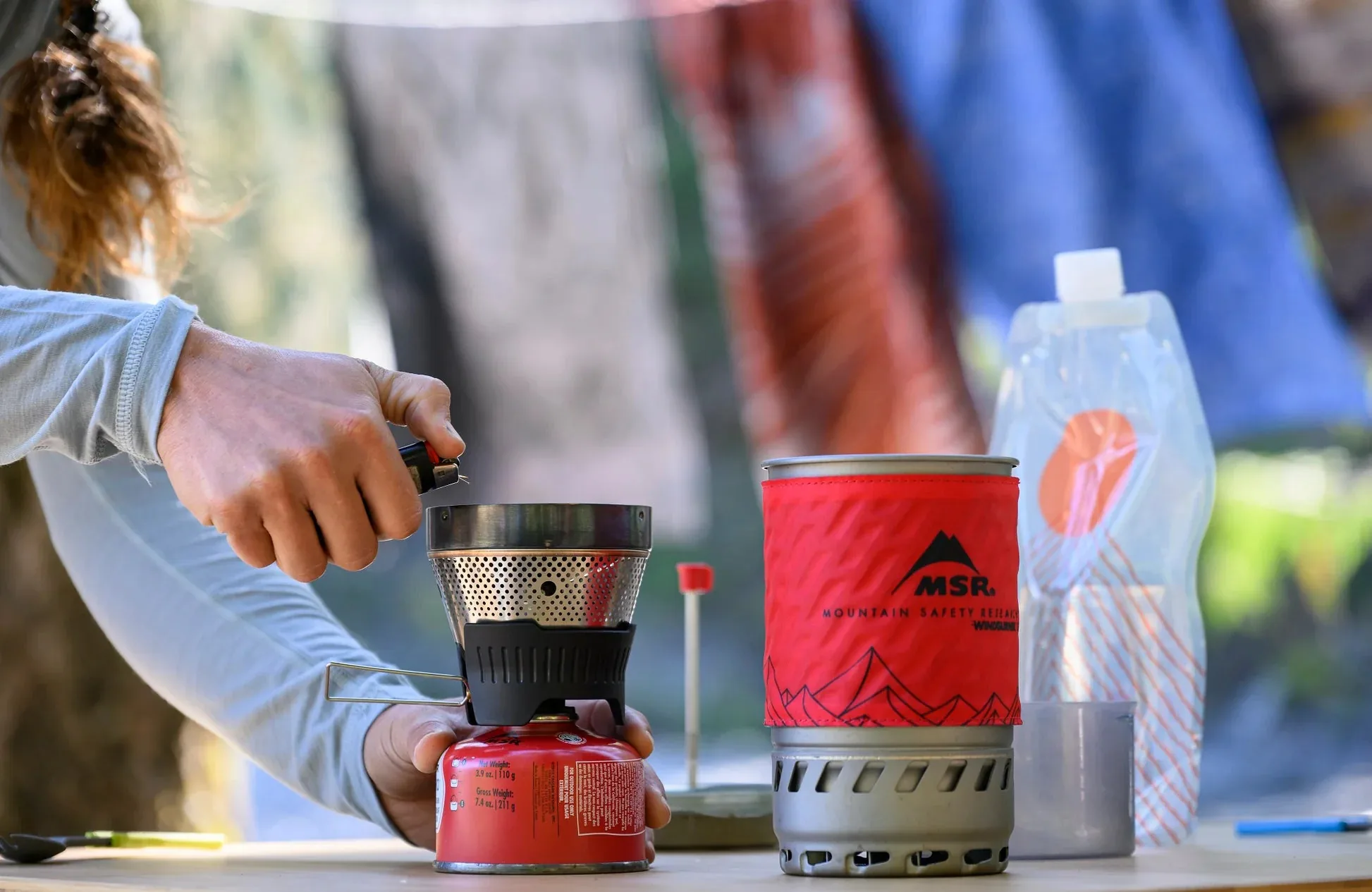
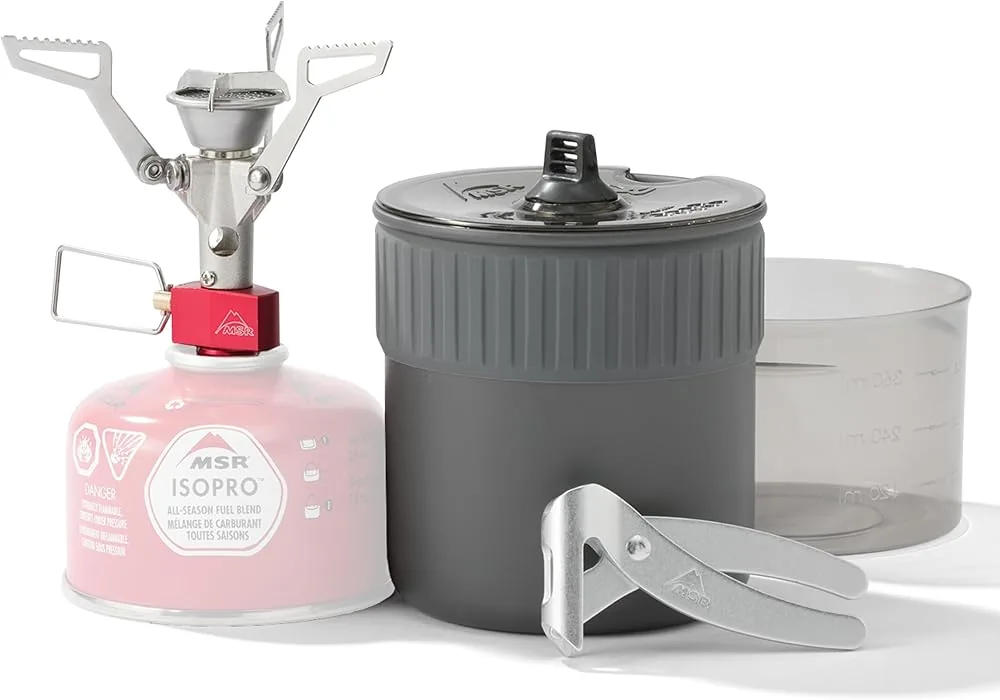
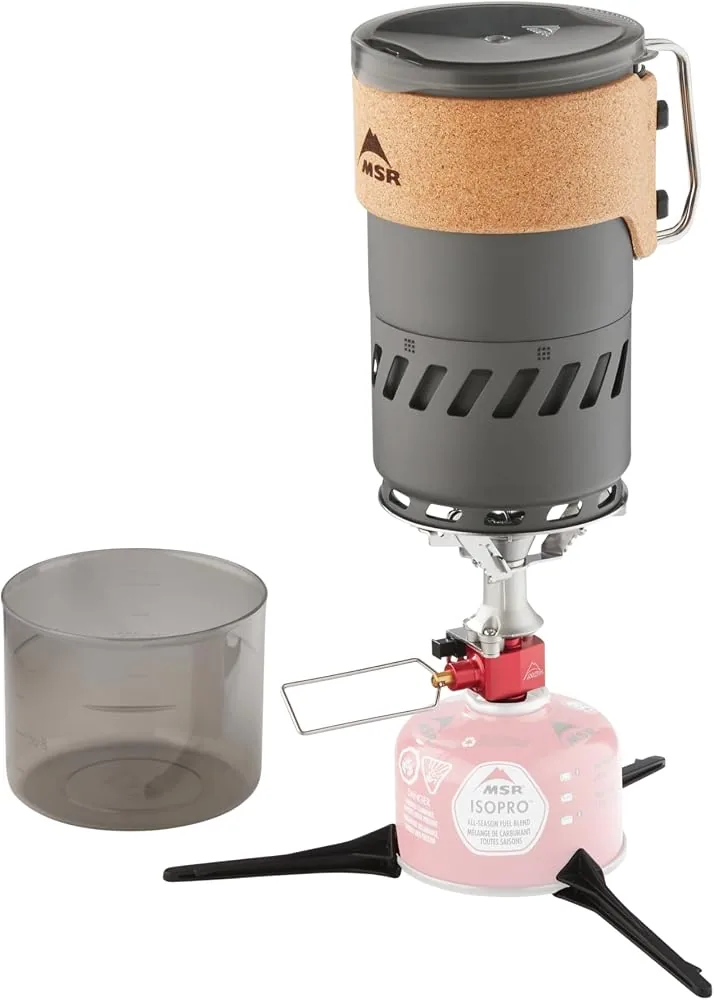
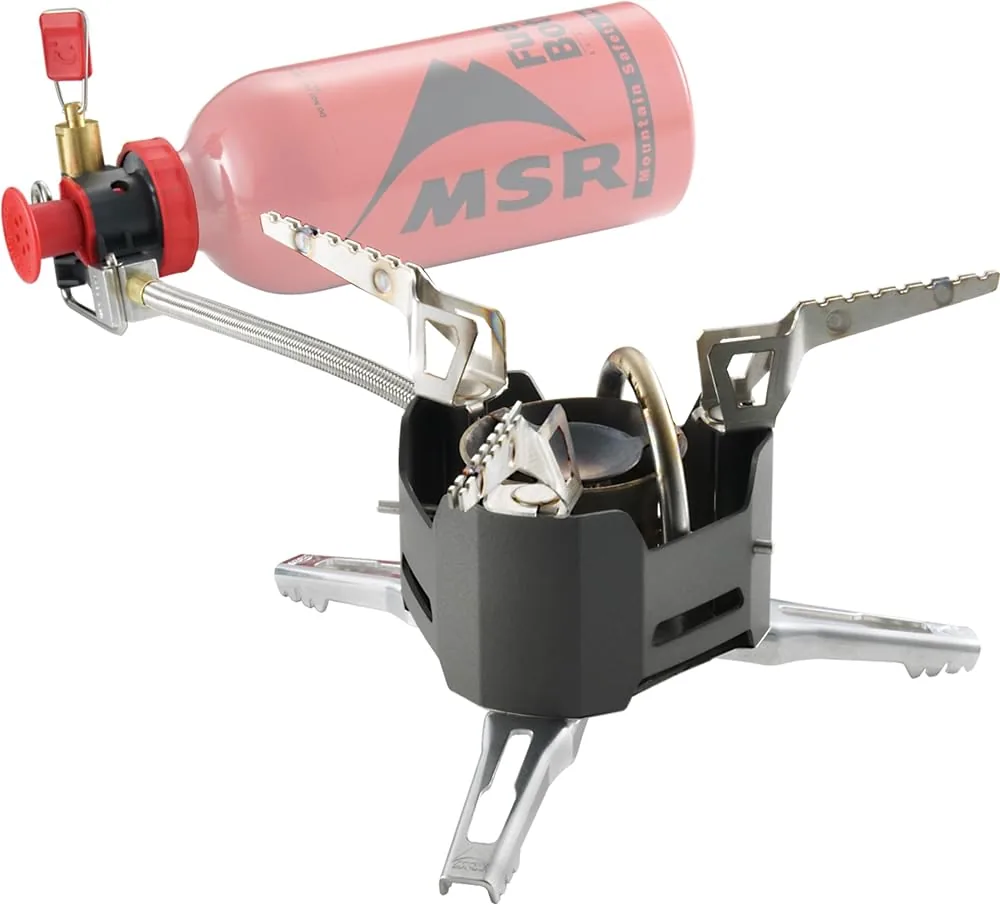
MSR Stove — Liquid Fuel Stoves
MSR Stove Liquid Fuel Stoves: Engineered for Mountaineers and Expedition Leaders
Since 1969, MSR has stood at the forefront of outdoor innovation, designing cooking systems that perform when conditions turn hostile and reliable gear becomes the difference between success and survival. The brand emerged from Seattle with a singular focus: engineering equipment that solves real problems faced by serious adventurers in the mountains. Liquid fuel stoves represent the pinnacle of this mission, delivering consistent heat output whether at sea level or 20,000 feet, in Arctic cold or desert heat.
The target audience for these stoves includes backpackers tackling extended thru-hikes where fuel availability varies by region, mountaineers ascending technical routes where every ounce matters, and expedition leaders responsible for keeping teams fed and hydrated in extreme environments. These are adventurers who cannot afford equipment failure, who need to melt snow for drinking water in sub-zero temperatures, and who require cooking systems that function reliably after weeks in the field.
Professional mountain guides trust this brand because the engineering prioritizes field serviceability and multi-fuel flexibility. When operating in remote regions where white gas may be unavailable, the ability to burn kerosene, diesel, or unleaded auto fuel transforms these stoves from specialized equipment into universal survival tools. The commitment to solving practical challenges through innovative design has made these cooking systems essential gear for serious outdoor professionals worldwide.
A Complete Range of Backcountry Cooking Solutions
The liquid fuel stove lineup spans from ultralight backpacking solutions to expedition-grade powerhouses, ensuring every outdoor cooking scenario finds its ideal match. At the compact end, models weigh mere ounces while still delivering the heat output needed to boil water quickly for dehydrated meals on the trail. Moving up the range, multi-fuel systems offer the versatility demanded by international expeditions where fuel sources change from country to country.
Each stove in the collection addresses specific use cases identified through decades of field testing and feedback from professional guides. Some models prioritize flame control for actual cooking rather than simple boiling, while others maximize raw heat output for rapid snow melting at altitude. Hybrid designs bridge the gap between canister convenience and liquid fuel reliability, giving adventurers flexibility to choose their fuel source based on trip requirements.
The range also includes comprehensive accessories and maintenance kits that transform each stove into a complete cooking system. Fuel bottles in various sizes accommodate everything from weekend trips to month-long expeditions, while windscreens and heat reflectors optimize performance in challenging conditions. This system approach means users can customize their setup for any adventure without compromising on quality or compatibility.
Radiant Burner Technology and Remote-Design Innovation
The engineering philosophy centers on Radiant Burner Technology featuring 100% primary air combustion, a design breakthrough that delivers windproof performance without the weight penalty of heavy windscreens. Traditional stoves lose significant heat to wind, requiring users to seek shelter or burn excessive fuel. This technology maintains consistent flame output regardless of conditions, translating directly to faster boil times and reduced fuel consumption in the field.
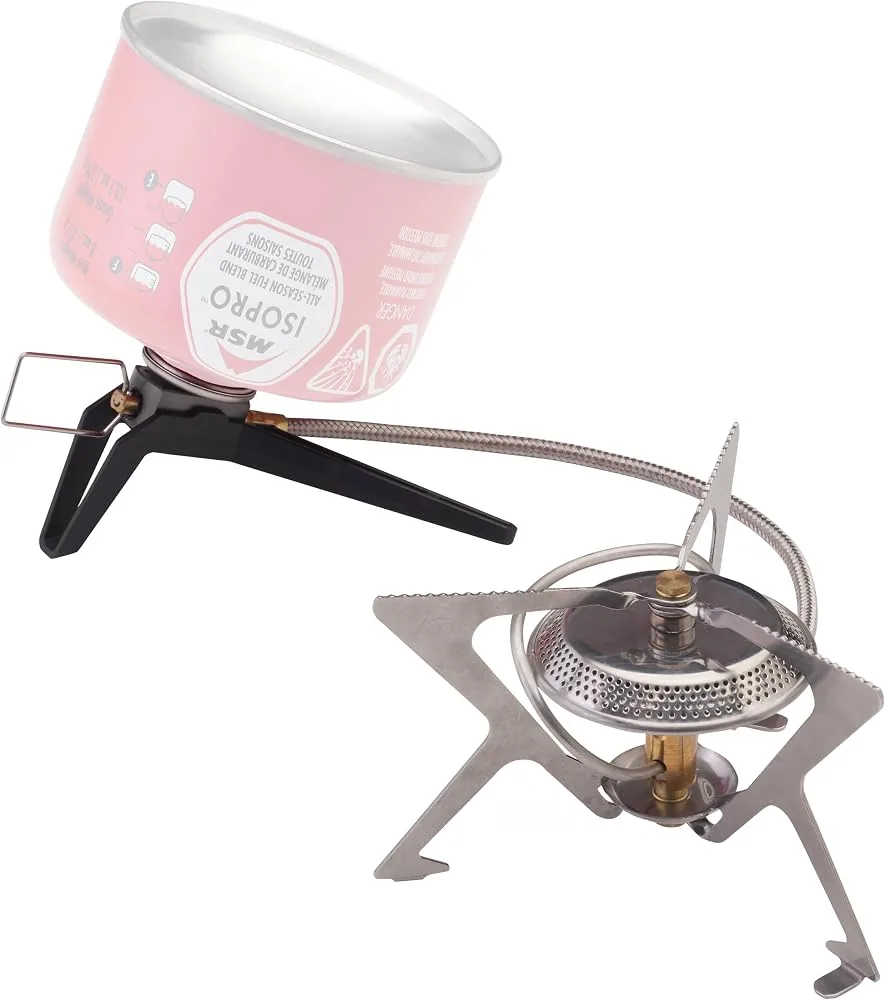
Remote-burner split design represents another fundamental innovation that separates the fuel source from the heat source. This configuration enhances safety by keeping the fuel bottle away from direct heat exposure while simultaneously lowering the center of gravity for improved stability. The design allows users to position fuel bottles on stable ground even when cooking surfaces are uneven, reducing spill and tip-over risks that plague traditional integrated designs.
Shaker Jet technology addresses one of the most frustrating aspects of liquid fuel stove ownership: clogged jets requiring tool-assisted disassembly for cleaning. This self-cleaning system allows users to clear carbon buildup by simply shaking the stove, restoring full performance in seconds without carrying specialized maintenance tools. The innovation emerged from understanding that equipment reliability in remote locations depends on field serviceability, and complicated repair procedures become impossible in the conditions where stoves matter most.
MSR Stove Liquid Fuel Stoves: Essential Features for Extreme Performance
- Multi-Fuel Versatility Burn white gas, kerosene, diesel, and unleaded auto fuel with simple jet changes, ensuring fuel availability anywhere on Earth.
- Pressure-Regulated Systems Maintain consistent flame output from full fuel bottle to empty, eliminating the performance drop-off common in unregulated designs.
- Windproof Combustion 100% primary air combustion keeps flames stable in gusting winds that would extinguish conventional stoves.
- Shaker Jet Self-Cleaning Clear carbon deposits without tools or disassembly through integrated cleaning mechanisms activated by simple shaking motion.
- Ultralight Construction Advanced materials and precision engineering reduce packed weights while maintaining the durability required for expedition use.
- Field-Serviceable Design Every component can be accessed, cleaned, or replaced in the field using basic tools or no tools at all.
Trusted Performers: The Models Professionals Choose
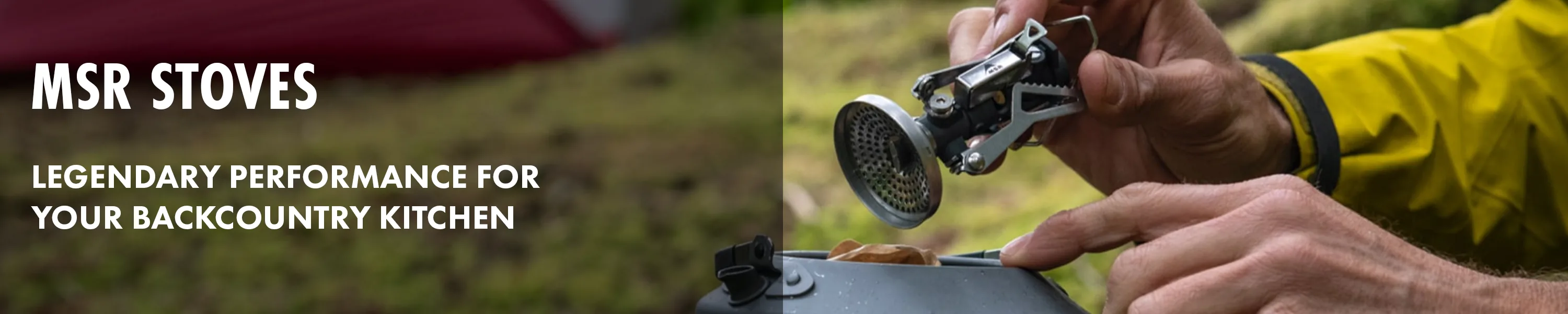
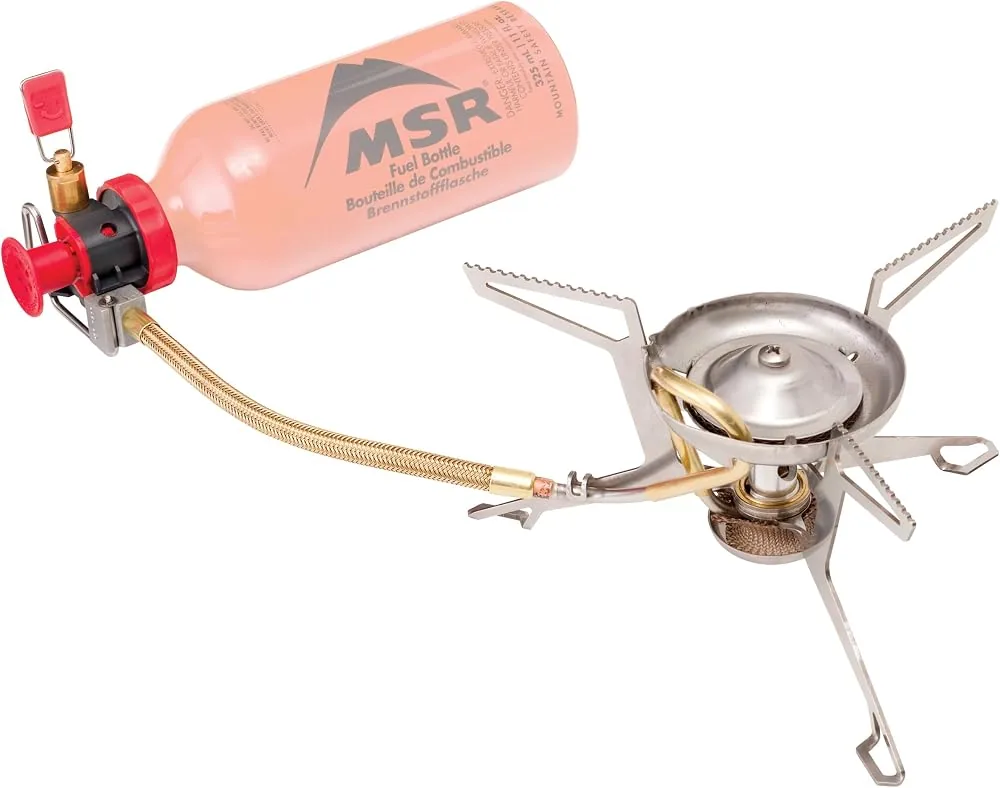
The WhisperLite International Multi-Fuel Stove has earned legendary status among international travelers and expedition teams. Its ability to burn virtually any fuel source makes it the go-to choice for adventures spanning multiple countries where fuel availability varies dramatically. The stove's compact profile and proven reliability have made it a fixture in gear rooms from Patagonia to the Himalaya, trusted by professionals who cannot afford equipment failure.
For expeditions facing the harshest conditions on Earth, the XGK-EX Multi-Fuel Expedition Stove delivers unmatched heat output and bombproof reliability. This powerhouse generates the BTUs needed to melt snow rapidly at extreme altitude while withstanding the abuse of extended expedition use. Its simplified design minimizes potential failure points while maximizing serviceability, making it the choice of serious mountaineers and polar explorers.
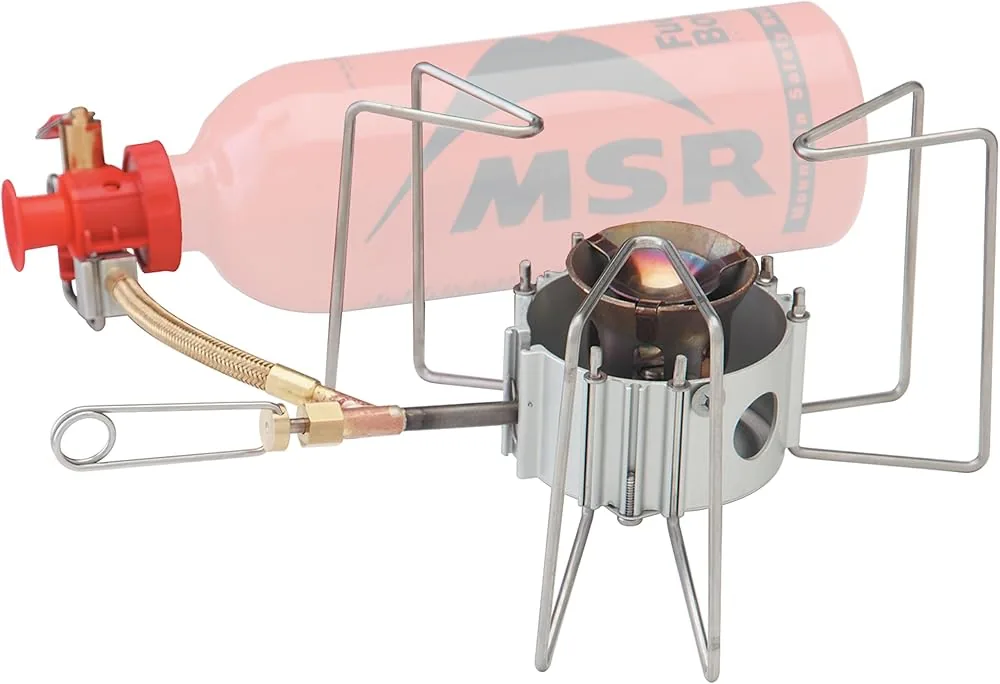
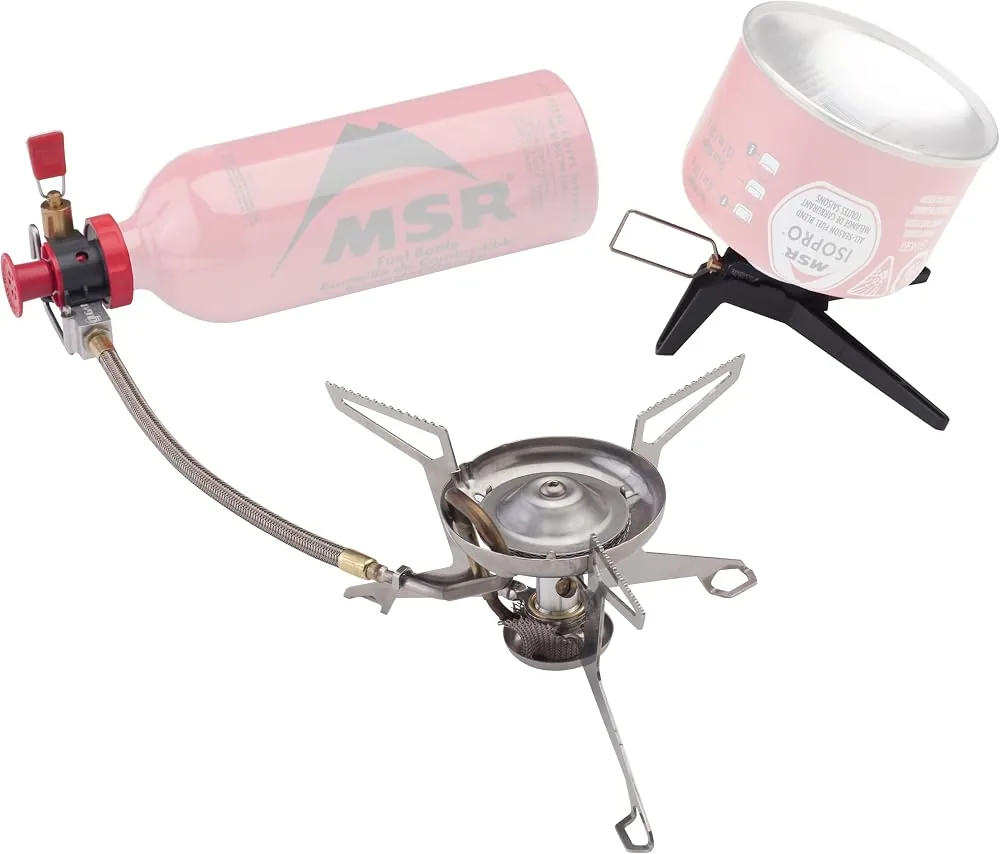
The Dragonfly Compact Liquid Fuel Stove appeals to users who need actual flame control rather than simple on-off boiling capability. Its unique simmer ability allows for real cooking in the backcountry, from sautéing vegetables to preparing complex meals at base camp. Meanwhile, the WhisperLite Universal Hybrid Fuel Stove bridges canister and liquid fuel worlds, offering flexibility for users who want one stove for every situation.
Aircraft-Grade Aluminum and Precision-Machined Components
Construction quality begins with material selection that balances weight reduction against durability demands. Aircraft-grade aluminum forms the primary structural components, offering exceptional strength-to-weight ratios that allow for ultralight designs without compromising longevity. These alloys resist corrosion from fuel exposure and environmental conditions, maintaining structural integrity through years of hard use.
Brass fuel lines and fittings provide the chemical resistance and precision sealing required for safe fuel delivery under pressure. Unlike inferior materials that degrade with fuel exposure, brass maintains its properties indefinitely, ensuring leak-free operation throughout the stove's service life. Stainless steel components in high-heat zones withstand repeated thermal cycling without warping or degrading, maintaining the precise tolerances essential for consistent combustion.
The manufacturing process employs precision machining rather than stamping or casting for critical components. This approach ensures tighter tolerances, better fits, and more consistent performance across production runs. O-rings and seals meet specifications developed through extensive testing in extreme temperatures, maintaining their sealing properties from Arctic cold to desert heat. Every component reflects the understanding that reliability depends on quality at the smallest scale.
Proven Performance from Base Camp to Summit
Real-world testing across decades of expedition use has refined these stoves into instruments of reliable performance. At 18,000 feet on Denali, where atmospheric pressure reduces combustion efficiency, pressure-regulated systems maintain the heat output needed to melt snow quickly and keep climbers hydrated. The difference between a well-designed liquid fuel stove and an inferior alternative becomes starkly apparent when temperatures drop and fuel flow becomes critical.
Durability proves itself over seasons of use rather than single trips. Users report stoves functioning flawlessly after ten or fifteen years of regular use, requiring only routine maintenance and occasional seal replacement. This longevity represents exceptional value compared to disposable alternatives that fail after a few seasons. The initial investment pays dividends through reliable service trip after trip, year after year.
Fuel efficiency translates directly to reduced pack weight on extended trips where every ounce matters. Efficient combustion extracts maximum heat from each drop of fuel, allowing users to carry less fuel for equivalent cooking capacity. On a two-week expedition, this efficiency advantage compounds into pounds of weight savings, improving mobility and reducing fatigue. The stoves deliver these advantages consistently regardless of altitude, temperature, or wind conditions.
Using Your MSR Stove Liquid Fuel System in Extreme Conditions
- Priming Technique Open the fuel valve briefly to fill the priming cup, close it, then ignite the primer fuel. Allow it to burn until the flame turns from yellow to blue before opening the valve fully.
- Cold Weather Operation Keep fuel bottles warm inside your jacket before use. In extreme cold, pre-warm the stove by holding it close to your body, improving initial ignition reliability.
- Wind Management Position windscreens to block prevailing wind while maintaining adequate airflow for combustion. Never fully enclose the burner, which can cause dangerous overheating.
- Altitude Adjustment At high altitude, reduce pump strokes slightly as lower atmospheric pressure requires less fuel bottle pressurization for optimal flow.
- Flame Control Master the relationship between pump pressure and valve position to achieve precise flame control from full roar to gentle simmer.
- Routine Maintenance Clean jets using Shaker Jet technology after each trip. Lubricate pump cup leather seasonally and replace O-rings annually for optimal performance.
Safety Protocols and Stable Setup Practices
Safe operation begins with proper site selection and stove positioning. Choose level, stable surfaces that support both the stove and cookware without risk of tipping. Clear the area of flammable materials including dry leaves, tent fabric, and sleeping pads. Never operate liquid fuel stoves inside tents or enclosed spaces where fuel vapors can accumulate and create explosion risks.
Fuel handling requires attention to detail that prevents dangerous spills and leaks. Always refuel with the stove cool and extinguished, away from any ignition sources. Check O-rings and seals before each trip, replacing any that show wear or damage. Store fuel bottles upright with pressure released during transport, and never fill bottles completely as fuel expansion can create dangerous pressure.
Emergency procedures should be rehearsed before heading into the field. Know how to quickly close fuel valves and smother flames in case of flare-ups. Carry appropriate fire suppression materials and first aid supplies. Understand that liquid fuel fires require smothering rather than water, which can spread burning fuel. Proper preparation and awareness prevent the overwhelming majority of stove-related incidents.
The Essential Companion for International Expeditions and Remote Travel
Ideal Users
- Mountaineers on technical alpine routes
- Thru-hikers on international trails
- Expedition leaders managing team logistics
- Mountain guides requiring reliable gear
- Polar explorers in extreme cold
- Adventure photographers in remote locations
Perfect Scenarios
- Multi-week expeditions with limited resupply
- High-altitude climbing above 15,000 feet
- Winter camping in sub-zero temperatures
- International travel with variable fuel availability
- Base camp cooking for climbing teams
- Emergency preparedness and survival situations
Selecting the Right Liquid Fuel Stoves Model for Your Adventures
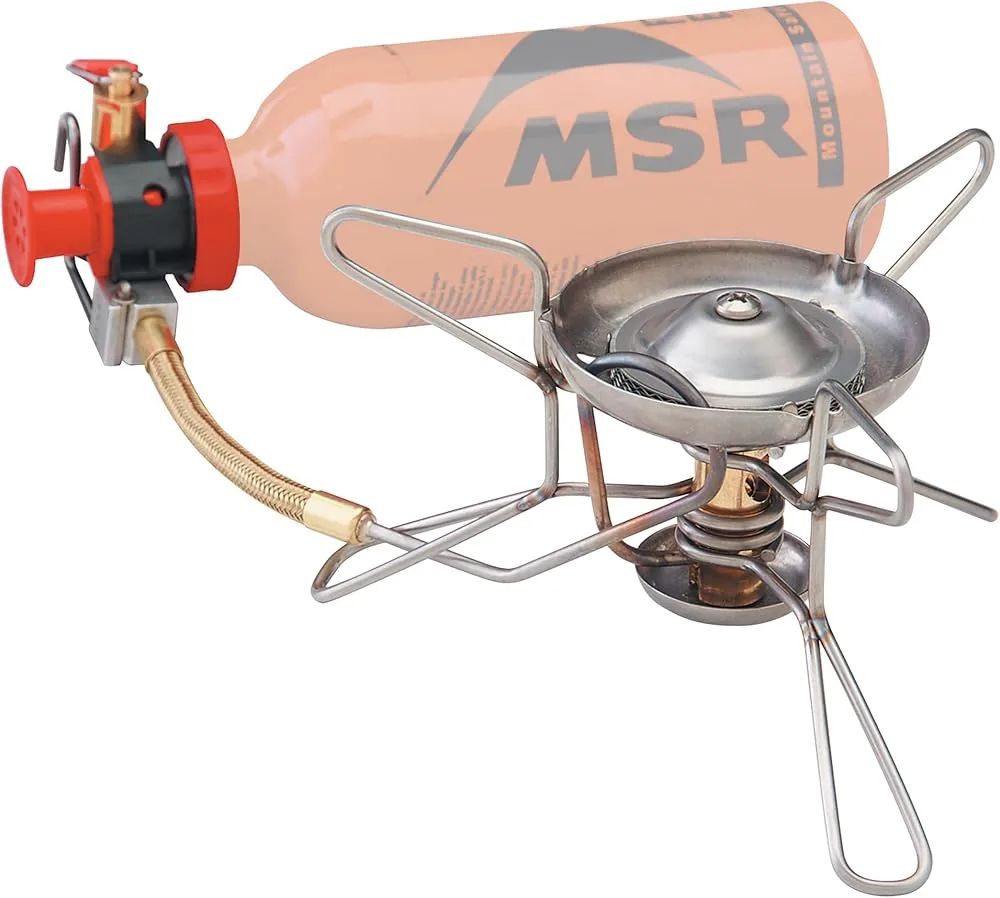
Choosing the optimal stove requires honest assessment of your typical use cases and priorities. If weight represents your primary concern and you primarily use white gas in temperate conditions, the WhisperLite Compact Backpacking Stove delivers excellent performance at minimal weight penalty. Its streamlined design sacrifices some multi-fuel versatility for reduced bulk and simplified operation that appeals to weight-conscious backpackers.
International travelers and expedition members who cannot guarantee fuel availability should prioritize multi-fuel capability. The WhisperLite International burns everything from white gas to auto fuel, eliminating concerns about sourcing specific fuel types in remote regions. This versatility adds modest weight but provides insurance against fuel unavailability that could otherwise compromise an entire expedition.
Users who value actual cooking capability rather than simple water boiling should consider the Dragonfly, which offers simmer control unmatched in the liquid fuel category. For the most demanding conditions, including extreme cold, high altitude, and extended expedition use, the XGK-EX provides the raw heat output and bombproof reliability that professionals require. The Universal Hybrid model suits users who want flexibility between canister convenience and liquid fuel reliability without owning multiple stoves.
Consider your group size when selecting among models. Solo travelers and couples can rely on compact designs with lower heat output, while larger groups benefit from more powerful stoves that boil water faster and reduce cumulative cooking time. Factor in pot sizes you typically use, as larger pots require more powerful stoves to achieve reasonable boil times.
MSR Stove Liquid Fuel Stoves vs. Leading Competitors
| Feature | MSR Stoves | Optimus Nova+ | Primus OmniFuel II |
|---|---|---|---|
| Multi-Fuel Capability | White gas, kerosene, diesel, auto fuel | White gas, kerosene, diesel, auto fuel | White gas, kerosene, diesel, auto fuel, canister |
| Self-Cleaning Jets | Shaker Jet technology — no tools needed | Requires manual cleaning with tool | Requires manual cleaning with tool |
| Field Serviceability | Fully serviceable without special tools | Moderate — some tools required | Moderate — some tools required |
| Pressure Regulation | Integrated pressure regulation | Integrated pressure regulation | Integrated pressure regulation |
| Wind Resistance | 100% primary air combustion — excellent | Good with windscreen | Good with windscreen |
| Heritage & Testing | 55+ years of expedition-proven designs | 30+ years of Scandinavian engineering | 100+ years of brand history |
| Simmer Control | Dragonfly model offers exceptional control | Good simmer capability | Good simmer capability |
| Warranty Support | Comprehensive with excellent parts availability | Standard warranty coverage | Standard warranty coverage |
All brands produce quality stoves. MSR's Shaker Jet technology and field serviceability provide distinct advantages for extended remote use.
Maintaining Peak Performance Through Proper Care
- Post-Trip Cleaning Burn remaining fuel from lines after each trip. Use Shaker Jet mechanism to clear any carbon deposits from the jet orifice.
- Pump Maintenance Condition the pump cup leather with mineral oil annually. Replace the pump cup if priming requires excessive strokes or pressure drops quickly.
- O-Ring Inspection Examine all O-rings before each season. Replace any showing cracks, hardening, or deformation to prevent leaks.
- Fuel Line Care Flush fuel lines with fresh white gas periodically to remove varnish buildup, especially after burning kerosene or auto fuel.
- Storage Practices Store with fuel system empty and depressurized. Keep in a dry location away from direct sunlight to prevent seal degradation.
- Annual Service Replace maintenance kit components annually for heavy users. This includes O-rings, pump cup, and fuel line assembly for optimal reliability.