MSR Stove — Stove Systems
MSR Stove Systems: Engineered for Mountaineers and Expedition Leaders
Since 1969, MSR has served a singular purpose — to engineer the most reliable outdoor cooking equipment for those who push into the world's most demanding environments. The brand exists for mountaineers summiting above 8,000 meters, thru-hikers covering thousands of trail miles, and expedition leaders responsible for keeping teams fed and hydrated in conditions where failure means danger. Every stove system reflects this mission, built to perform when the weather turns hostile and the stakes run high.
The Seattle-based company emerged from founder Larry Penberthy's frustration with unreliable outdoor gear. His background in engineering drove the creation of stoves that prioritize function over fashion, safety over shortcuts, and consistent performance over marketing promises. Today, MSR stove systems remain the trusted choice for alpine guides, search-and-rescue teams, and serious backcountry travelers who need equipment that works every single time.
This focus on professional-grade reliability extends throughout the product line. Whether melting snow at high altitude, boiling water for dehydrated meals on a windy ridge, or preparing hot food at an expedition base camp, MSR delivers cooking solutions designed by engineers who understand that in the mountains, your stove is lifeline equipment.
From Ultralight Canisters to Multi-Fuel Expedition Systems
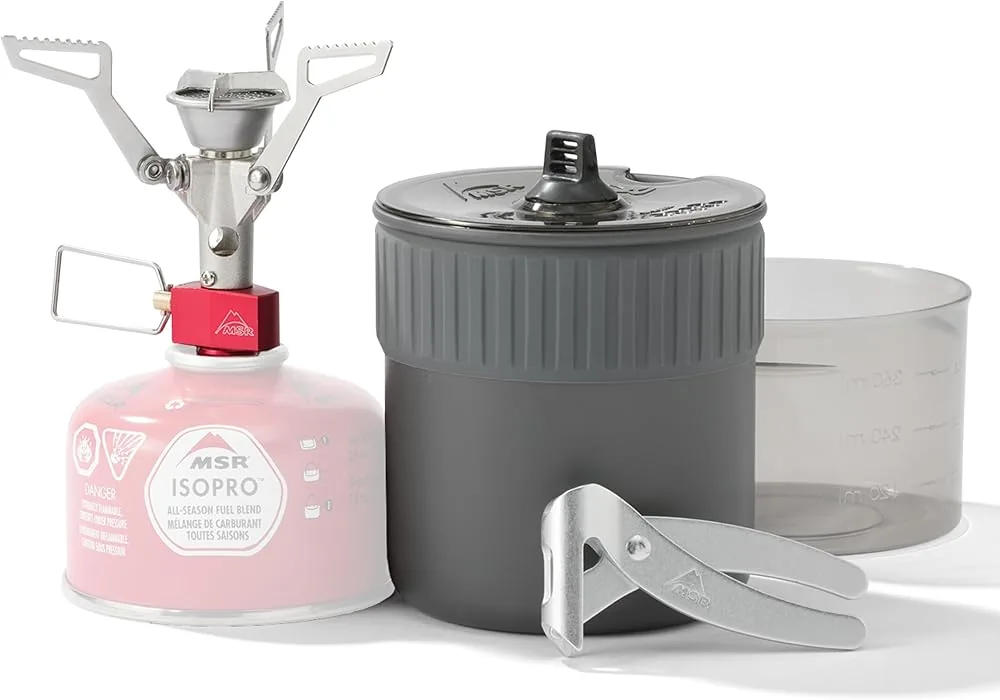
The product range spans every backcountry cooking scenario imaginable. Ultralight canister stoves weighing as little as 2.6 ounces serve fast-and-light hikers who count every gram. Integrated personal cooking systems combine burner, pot, and windscreen into efficient units that boil water in minutes. Multi-fuel expedition stoves handle white gas, kerosene, diesel, and even unleaded auto fuel, providing flexibility for international travel and remote expeditions where fuel availability varies.
Solo backpackers find purpose-built systems optimized for individual use, while group expedition cooking receives equal attention through larger capacity options. The WindBurner series addresses wind-exposure challenges with enclosed combustion chambers, while the Switch system delivers versatility through interchangeable components. This breadth ensures that every outdoor cooking requirement has a dedicated solution rather than a compromise.
Accessories and cookware integrate seamlessly across the range, allowing users to build complete systems matched to their specific needs. From hanging kits for tent cooking to remote fuel lines for cold-weather operation, the ecosystem supports customization without complexity.
Radiant Burner Technology and 100% Primary Air Combustion
The engineering philosophy centers on solving real problems encountered in extreme conditions. Radiant Burner Technology represents decades of combustion research distilled into practical application. By achieving 100% primary air combustion, these burners eliminate the external air mixing that makes conventional stoves vulnerable to wind interference. The flame burns efficiently within a protected chamber, maintaining heat output regardless of exposure.
This approach fundamentally differs from competitors who simply add windscreens to conventional burner designs. Rather than blocking wind after the fact, MSR engineering prevents wind disruption at the combustion source. The result is consistent performance whether cooking in calm conditions at a designated campsite or battling gusts on an exposed alpine col. Fuel efficiency improves dramatically because energy transfers to the pot instead of dissipating into moving air.
Pressure regulation technology complements the burner design, ensuring consistent flame output as fuel canisters deplete and temperatures drop. Cold-weather performance remains stable because the system compensates for reduced canister pressure automatically. This integrated approach to combustion engineering separates MSR from brands that treat individual components as separate problems rather than interconnected systems.
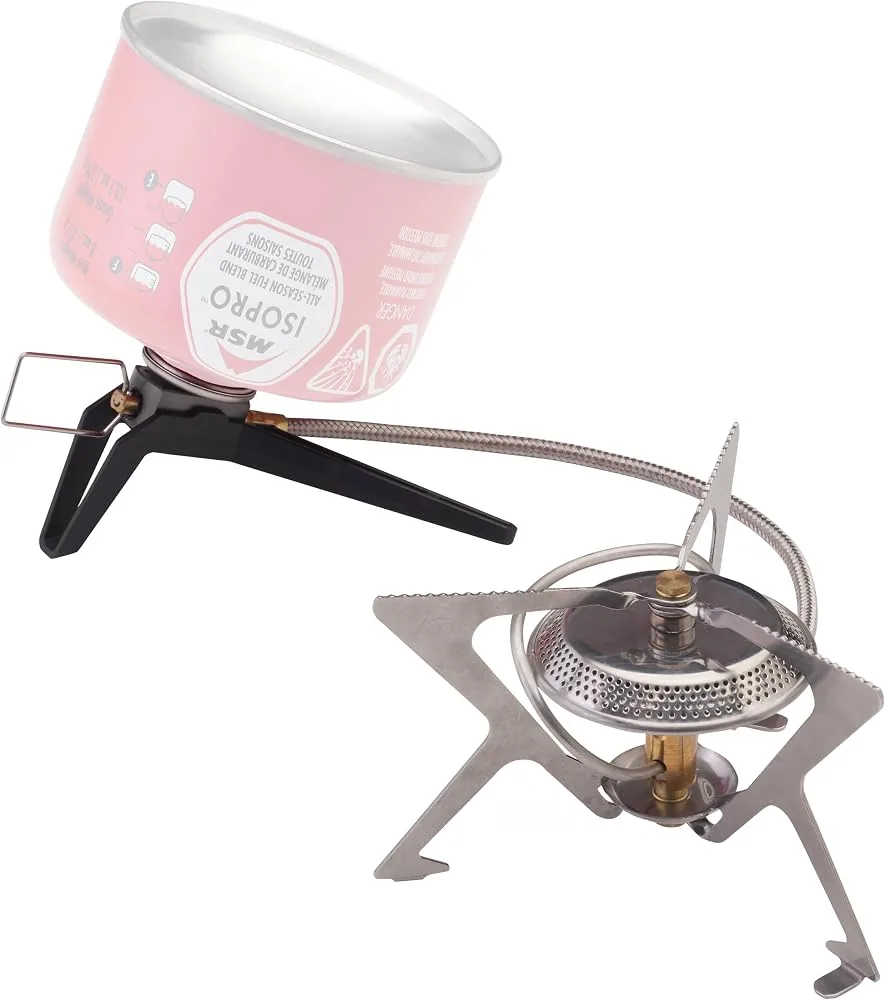
The remote-burner split design further demonstrates this philosophy. By separating the fuel source from the heat source, the system gains stability, safety, and efficiency simultaneously. Lower center of gravity prevents tip-overs, distance from flame protects fuel connections, and heat concentration improves because the burner focuses energy directly beneath cookware.
MSR Stove Systems Feature Highlights: What Defines the Range
- Shaker Jet Self-Cleaning Technology Field maintenance requires no tools or disassembly. A simple shake clears carbon deposits from the jet orifice, restoring full performance in seconds during active use.
- Windproof Enclosed Combustion Radiant burner chambers protect flames from external airflow, delivering consistent boil times in conditions that would extinguish conventional stoves.
- Multi-Fuel Versatility Expedition models burn white gas, kerosene, diesel, and unleaded automotive fuel, providing flexibility for remote travel where fuel options vary unpredictably.
- Ultralight Construction Canister stove systems start at just 2.6 ounces, satisfying weight-conscious backpackers and thru-hikers without sacrificing reliability.
- Pressure-Regulated Output Automatic compensation maintains flame strength as canisters deplete or temperatures drop, ensuring predictable cooking performance throughout fuel life.
- Remote-Burner Split Design Separating fuel from flame improves stability, enhances safety, and allows larger cookware support than integrated canister-top designs permit.
Trail-Proven Favorites: WindBurner and Switch Systems
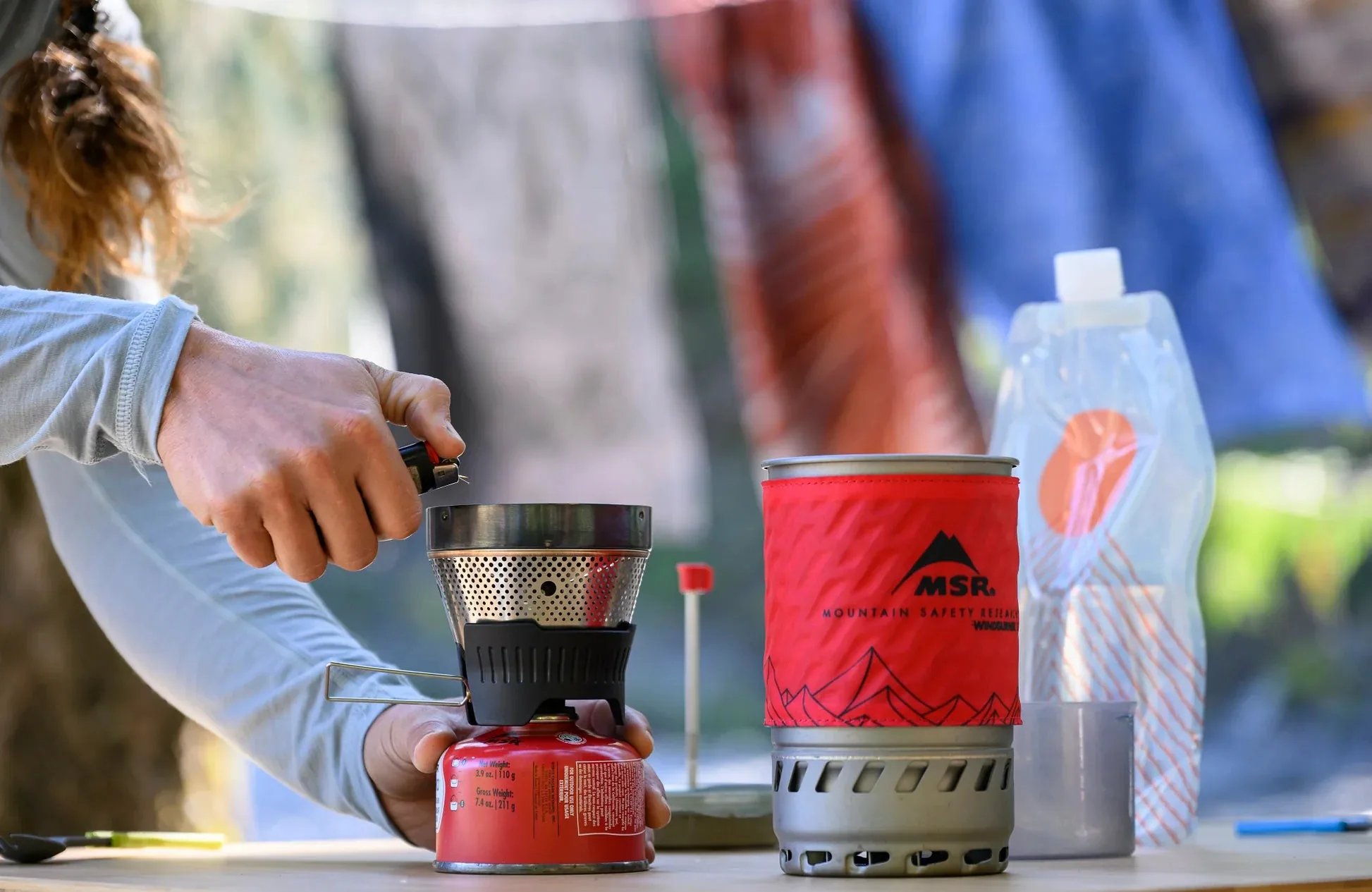
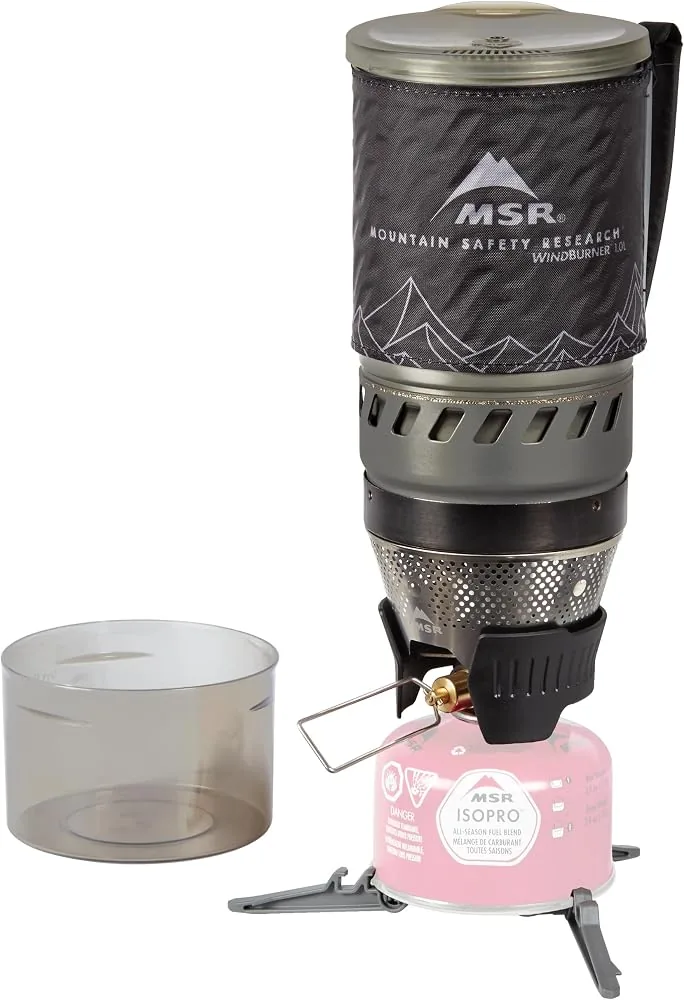
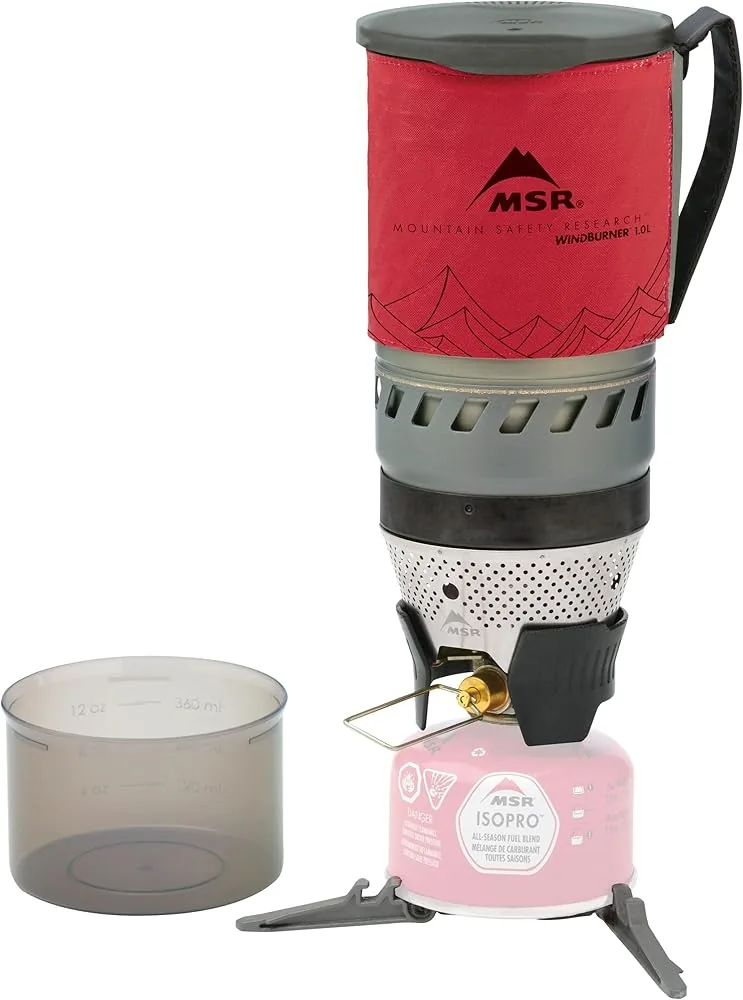
The MSR WindBurner Personal Stove System has earned its reputation through consistent performance in conditions that challenge ordinary equipment. Its fully enclosed burner chamber and integrated heat exchanger deliver rapid boil times even in persistent wind. The system nests compactly for transport, with components fitting inside the included pot for space-efficient packing.
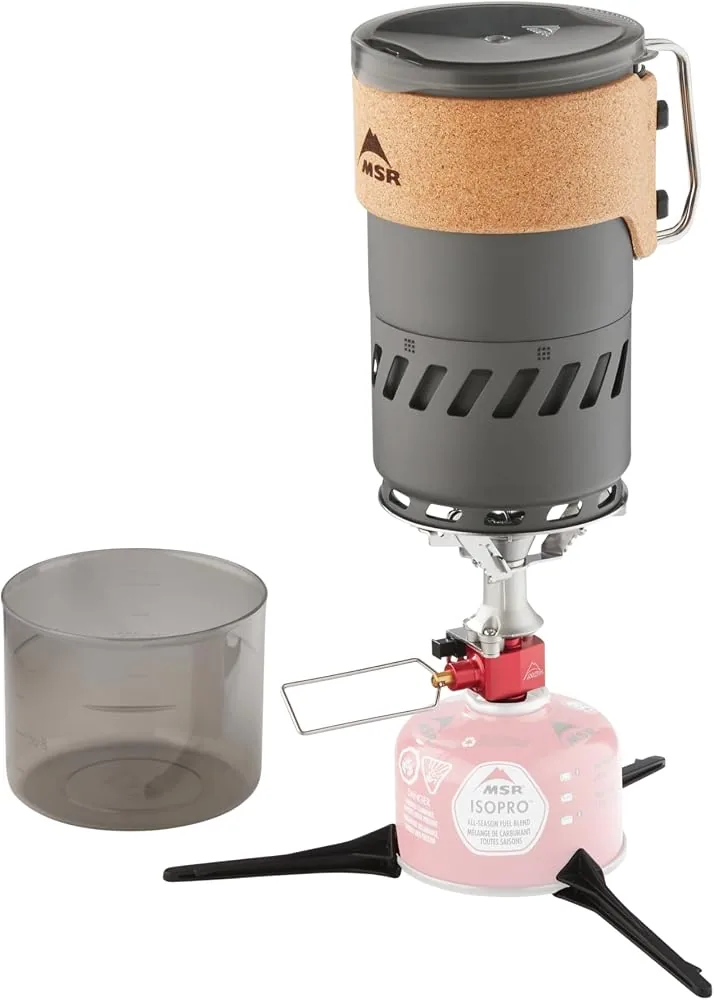
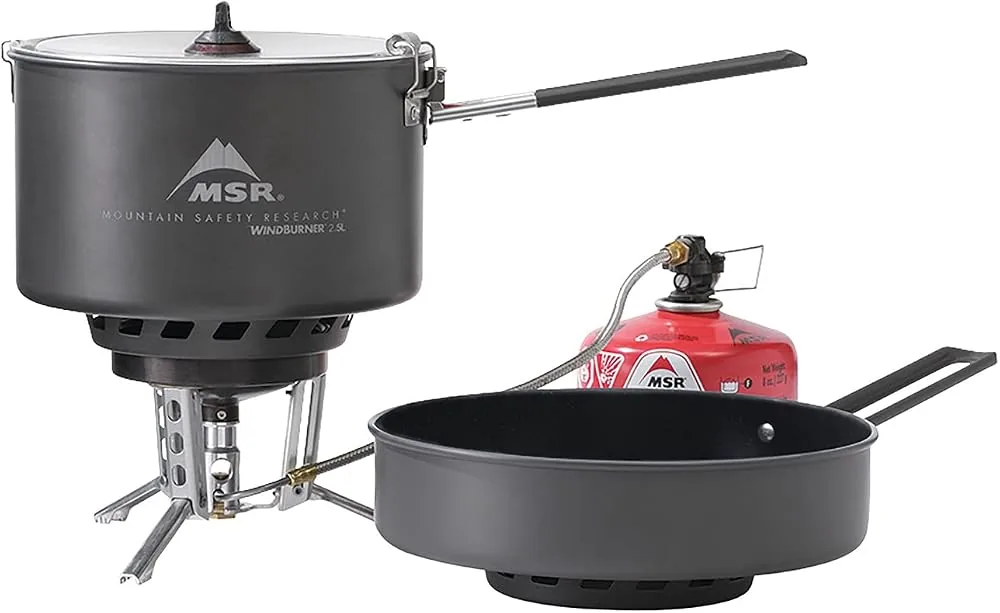
For users seeking greater flexibility, the WindBurner Combo Stove System expands capability with multiple pot sizes and accessories while maintaining the windproof performance that defines the series. Group cooking scenarios benefit from larger capacity options without abandoning the protected combustion design.
The MSR Switch Lightweight Stove System represents the latest evolution in ultralight integrated cooking. Designed for backpackers prioritizing minimal weight, it delivers the brand's engineering quality at competitive pack weights. The modular approach allows configuration adjustments based on trip duration and group size, making it equally suitable for weekend overnights and extended backcountry travel.
Aerospace-Grade Aluminum and Precision Stainless Components
Material selection reflects the demanding environments these stoves must survive. Hard-anodized aluminum cookware provides excellent heat transfer while resisting scratches and corrosion from repeated backcountry use. The anodizing process creates a surface harder than stainless steel, extending useful life significantly beyond untreated aluminum alternatives.
Burner components utilize precision-machined stainless steel and brass alloys chosen for thermal stability and corrosion resistance. These materials maintain dimensional accuracy across temperature extremes, ensuring reliable ignition and consistent flame patterns whether operating at sea level or on a Himalayan summit. Fuel lines and fittings meet standards borrowed from aerospace applications where failure tolerance is zero.
Pot support systems employ heat-resistant alloys that maintain structural integrity under sustained high temperatures. Folding mechanisms and connection points receive particular engineering attention because these stress points often fail in competitor products. Reinforced hinges and positive-lock designs prevent the wobble and instability that cause spills and burns during field use.
Reliable Performance from Base Camp to Summit Bid
Field performance validates laboratory engineering. Expedition teams report consistent ignition at altitudes above 20,000 feet where reduced oxygen challenges combustion. Boil times remain predictable across temperature ranges spanning summer backpacking to winter mountaineering. The pressure-regulated systems compensate automatically for conditions that would require manual adjustment with unregulated competitors.
Durability testing reveals construction quality that survives years of demanding use. Professional guides operating stoves daily through entire seasons report minimal maintenance requirements beyond routine cleaning. The Shaker Jet technology eliminates the clogging failures common with other brands, maintaining fuel flow without disassembly or specialized tools.
User reports consistently highlight reliability as the defining characteristic. When weather deteriorates and hot food becomes essential for safety, these stoves light on first strike and burn steadily until the meal is complete. This dependability justifies the investment for users who understand that backcountry cooking equipment serves as genuine safety gear rather than mere convenience.
Heat output efficiency translates directly to fuel savings over extended trips. Faster boil times mean shorter burn cycles per meal, reducing the fuel weight carried and the cost accumulated over a hiking season. For thru-hikers covering thousands of miles, these savings compound into significant practical and financial advantages.
Getting Peak Performance from MSR Stove Systems in the Field
- Prime in Cold Conditions When temperatures drop below freezing, warm fuel canisters inside your jacket before use to maintain internal pressure and fuel flow.
- Level Your Platform Invest a few seconds establishing a stable, level cooking surface to prevent tip-overs and ensure even heat distribution across pot bottoms.
- Shield Strategically Even windproof systems benefit from additional wind protection; position your body or pack as a supplementary barrier when conditions are extreme.
- Activate Shaker Jet Regularly A brief shake after each use clears potential deposits before they accumulate, maintaining optimal fuel flow throughout your trip.
- Match Pot to Burner Using appropriately sized cookware maximizes heat transfer efficiency; oversized or undersized pots waste fuel and extend boil times.
- Store Dry and Depressurized After trips, remove fuel canisters and store stoves with valves open to prevent seal damage from sustained pressure.
Safe Operation Protocols for Backcountry Cooking
Proper setup prevents accidents before they occur. Always operate stoves on stable, non-flammable surfaces away from tent walls, dry vegetation, and overhanging branches. The remote-burner design provides inherent stability advantages, but user attention to placement remains essential. Verify all connections are secure before ignition, and never leave operating stoves unattended.
Altitude and cold affect both stove performance and user judgment. Recognize that reduced oxygen at elevation can cause incomplete combustion and carbon monoxide accumulation in poorly ventilated spaces. Never cook inside sealed tents. Vestibule cooking requires adequate ventilation, and awareness of flame color helps identify combustion quality.
Fuel handling demands respect regardless of experience level. Store canisters away from heat sources and direct sunlight. When refueling liquid-fuel models, extinguish all flames and allow equipment to cool completely first. Spilled fuel evaporates rapidly but remains flammable; wait for complete dissipation before reigniting. These protocols protect both users and the wilderness environment.
The Go-To Choice for Professional Guides and Thru-Hikers
Ideal User Profiles
- Alpine mountaineers requiring cold-weather reliability
- Thru-hikers prioritizing ultralight weight and durability
- Expedition leaders managing group meal preparation
- Backcountry ski tourers needing windproof performance
- International travelers requiring multi-fuel flexibility
Best-Fit Trip Types
- Multi-week expeditions above treeline
- Fast-and-light peak bagging missions
- Winter camping and snow sports basecamp
- Long-distance trail hiking covering 20+ miles daily
- Remote international trekking with variable fuel sources
Selecting the Right Stove Systems Model for Your Adventures
Trip duration and group size determine capacity requirements. Solo hikers on weekend outings find the WindBurner Personal perfectly matched to their needs, offering rapid boil times in a compact package. Extended expeditions or group travel demand larger systems like the WindBurner Combo, which accommodates bigger cookware and faster meal service for multiple people.
Consider your typical operating conditions when choosing between canister and liquid-fuel options. Canister stoves offer convenience, simplicity, and ultralight weights ideal for fair-weather three-season use. Liquid-fuel expedition models excel when temperatures plunge, altitudes climb, or fuel resupply depends on whatever is locally available. The multi-fuel capability eliminates worry about finding specific canister types in remote regions.
Weight sensitivity varies by user philosophy and trip style. Dedicated ultralight backpackers gravitate toward the Switch system and minimalist canister options where every gram matters. Users who prioritize cooking versatility and cold-weather reliability often accept modest weight penalties for increased capability. Evaluate your priorities honestly rather than defaulting to either extreme.
Future expandability deserves consideration in initial purchase decisions. The integrated accessory ecosystem allows system growth without complete replacement. Starting with a personal-size WindBurner provides an entry point, with larger pots, hanging kits, and specialty accessories available for later addition as needs evolve.
MSR Stove Systems vs. Jetboil and Snow Peak: Performance Comparison
| Feature | MSR Stove Systems | Jetboil | Snow Peak |
|---|---|---|---|
| Wind Protection | Enclosed radiant burner with 100% primary air combustion | Flux ring with partial enclosure | External windscreen required |
| Multi-Fuel Capability | Available across expedition models | Canister only | Limited liquid fuel options |
| Self-Cleaning Mechanism | Shaker Jet technology — no tools required | Manual jet cleaning | Manual jet cleaning |
| Minimum Weight | 2.6 oz for canister models | 3 oz for lightest model | 2.8 oz for GigaPower |
| Pressure Regulation | Automatic across temperature ranges | Standard on select models | Not standard |
| Cold Weather Performance | Excellent with liquid fuel options | Good with canister warming | Moderate |
| Field Serviceability | High — tool-free maintenance | Moderate | Moderate |
| Heritage | Since 1969 — mountain engineering focus | Since 2001 | Since 1958 — camping general |
Performance characteristics based on manufacturer specifications and field reports from expedition use.
Long-Term Maintenance for Decades of Reliable Service
- Post-Trip Cleaning Wipe burner components with a dry cloth after each use to remove food residue and moisture before storage.
- O-Ring Inspection Examine fuel connection seals monthly during active use, applying manufacturer-recommended lubricant to maintain flexibility and prevent leaks.
- Jet Maintenance Activate Shaker Jet technology after every outing; for liquid-fuel models, clean jets with the included tool if performance degrades.
- Fuel Line Care Multi-fuel systems benefit from occasional line flushing with fresh fuel to prevent varnish buildup from stored kerosene or diesel.
- Storage Protocol Remove canisters, open valves to release pressure, and store in dry conditions away from temperature extremes.
- Annual Service Check Before each season, perform a complete test ignition and burn cycle to verify all components function correctly.